
I wrote a little essay on this and the computer ate it. So here is my story from the Globe on this topic, all by itself, although there are lots of other interesting aspects and side issues to this.
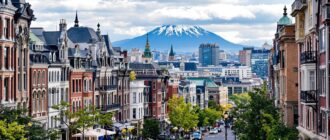
Vancouver’s persistent homelessness crisis reveals the complexity of urban social challenges despite massive investment. The city’s failure to end street homelessness by 2015, as Mayor Gregor Robertson promised in 2008, exposes fundamental flaws in how resources are allocated and priorities set.
The Globe and Mail investigation uncovered a critical misunderstanding: not all homeless people need expensive subsidized housing. Research shows nearly 90% of people experiencing homelessness resolve their situation independently through temporary assistance. The chronically homeless – those sleeping rough for extended periods – represent a smaller but more complex population requiring intensive, long-term support.
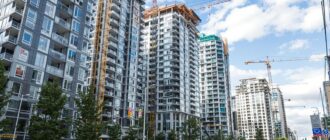
Vancouver’s approach suffered from misguided priorities. Social housing was distributed on a first-come, first-served basis rather than targeting those most in need. Non-profit operators moved people from residential hotels into new buildings, inadvertently reducing the overall stock of affordable private housing as landlords renovated and raised rents.
The city and province built thousands of new social housing units, yet 533 people still slept outside in 2014. This paradox highlights systemic issues: inadequate coordination between agencies, failure to identify the chronically homeless accurately, and the unintended consequences of well-meaning policies.
Vancouver’s challenge reflects broader urban pressures: gentrification, rising rents, stagnant wages, and inadequate income support. Cities attempt to solve homelessness at the back end through housing programs while larger economic forces continue creating new homelessness at the front end.
The solution requires targeted intervention, better coordination, and addressing root causes rather than simply building more units.