
I didn’t have a chance to go to the open house. (Big project, still in a post-vacation funk, etc.) Rize/MP2014 doing an energetic job of tweeting out how they addressed all the city demands for changes.
The building certainly looks better. But, as I say, I didn’t see it up close. Your thoughts?
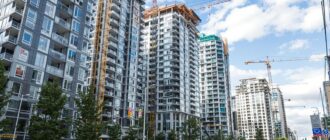
The Rize Alliance development has been one of Vancouver’s most contentious projects, and the July 17th open house revealed just how dramatically the proposal has evolved in response to sustained community pressure. What began as a controversial 19-storey tower has transformed into an even larger 22-storey structure—but one that developers argue better serves the Mount Pleasant community’s needs.
The revised design represents a fascinating case study in developer responsiveness to public input, though critics remain skeptical. Rize Alliance Properties has increased the project from 241 to 336 condominium units, adding 95 new residential units while completely eliminating the originally planned 34,000 square feet of retail space. The parking has also expanded from the initial proposal to 387 spaces across five underground levels.
Perhaps most significantly, the development has been broken apart from a single massive structure into five separate buildings positioned across the Broadway, 10th Avenue, and Kingsway intersection. This reconfiguration directly addresses one of the primary community concerns about the project’s overwhelming scale and impact on the neighborhood’s character.
Community opposition has been fierce throughout the process, with local residents organizing sustained resistance since the project’s initial proposal. The Residents Association of Mount Pleasant has been particularly vocal, arguing that while the area needs development, it should respect the existing urban fabric and community values that make Mount Pleasant distinctive.
The developer’s claim that “community input has had a huge impact on the final design” reflects a broader trend in Vancouver development where sustained public engagement can force significant project modifications. However, whether these changes represent genuine responsiveness or mere cosmetic adjustments remains a point of heated debate.
The timing of this redesign is particularly significant, coming just over a year after Vancouver City Council approved the initial rezoning application in April 2012. The lengthy period between approval and this open house demonstrates both the complexity of large-scale urban development and the ongoing community pressure that can influence project evolution even after official approvals.
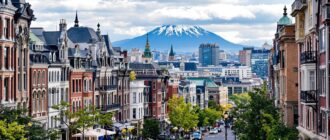
What makes the Rize project particularly symbolic is its location at the heart of Mount Pleasant’s renaissance. The neighborhood has experienced a remarkable transformation, with bustling cafes along Broadway and Main, growing enrollment at Mount Pleasant Elementary, and a renewed sense of urban vitality that residents are determined to protect.
The question now is whether Rize’s revised approach represents a genuine evolution toward community-sensitive development or simply a larger version of the same problems that sparked opposition initially. The developer’s energetic social media campaign suggests confidence in their changes, but the ultimate test will be how the completed project integrates with Mount Pleasant’s evolving character.
As Vancouver continues to densify, the Rize project may well set precedents for how major developments navigate between market pressures and community values. Whether those precedents prove positive or cautionary remains to be seen.