
Interesting for me to see the new Burnaby First party trying to ride the anti-development horse there. Burnaby has been building towers for quite a while now, apparently with no backlash from anyone. But I have heard more grumbling about the Brentwood development in the last year than I’d heard the previous decade, so maybe there’s something there.
Burnaby’s transformation from suburban municipality to dense urban center has been largely accepted by residents for decades. The city’s strategic positioning of high-rise development around SkyTrain stations, particularly at Metrotown and Brentwood, created what planners call “transit-oriented development” – concentrating density where public transit can best serve it.
For years, this approach seemed to work without significant opposition. The Burnaby Citizens Association (BCA), which has dominated city council for decades, successfully marketed tower development as progress and modernization. Residents appeared to accept the trade-off: their city would become more urban, but they would benefit from improved services, better transit connections, and increased property values.
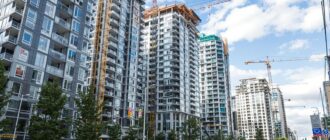
However, the sheer scale of recent Brentwood development appears to have shifted public sentiment. The area is being transformed from a modest shopping district into a forest of residential towers, with some reaching heights previously unseen in suburban Metro Vancouver. The cumulative impact of multiple simultaneous construction projects has created infrastructure strain that residents are experiencing daily.
The emergence of Burnaby First as a political force represents the first serious challenge to BCA dominance in recent memory. The party’s focus on development concerns suggests they’ve identified a genuine vulnerability in the ruling party’s traditionally pro-growth stance.
This is the news release that Burnaby First sent out today:
Burnaby First Mayor candidate Daren Hancott & Council candidate Helen Ward plan to speak tonight at the public hearing for the controversial 56-story Brentwood Tower II. It will be held at 7:00 pm in the City Council chambers at 4949 Canada Way.
The 56-storey height represents a significant escalation in Burnaby’s development scale. While towers of 30-40 stories have become common, this project pushes into territory typically reserved for downtown Vancouver cores. The height becomes particularly contentious when residents consider the precedent it sets for future developments throughout the city.
This hearing will be the one opportunity for the general public to have their say on this project before Burnaby’s current BCA monopoly council votes on whether or not to send this project forward.
The characterization of BCA as a “monopoly” reflects frustration with the party’s long-standing dominance and perceived lack of meaningful opposition. BCA’s control of council has been so complete that public hearings often feel like formalities rather than genuine opportunities for input. This dynamic has created an environment where development approvals seem predetermined.
The previously-approved Brentwood Tower I has already resulted in the closure of vital public transit infrastructure (the bus loop and related access ramp) making it extremely difficult for mobility-challenged transit riders to access Brentwood Mall shops and SkyTrain ground transit connections.
The transit accessibility issue highlights a fundamental irony in transit-oriented development: the construction process itself can temporarily or permanently disrupt the very transit infrastructure that justifies the density. For elderly residents and people with disabilities, the elimination of convenient bus connections represents a significant quality-of-life reduction.
It has further resulted in significant slow-downs of rush hour traffic along Lougheed Highway at Willingdon Avenue.
Traffic concerns resonate strongly with suburban voters who depend on cars for daily transportation. The Lougheed Highway corridor, already stressed by regional traffic, becomes a bottleneck when construction and increased residential density combine to create additional congestion.
This ‘intersection’ of mobility-challenged transit users forced onto surface streets to access their bus connections, and frustrated rush-hour vehicle commuters trying to get to work is yet another example of questionable BCA planning.
The language here reveals Burnaby First’s political strategy: positioning themselves as advocates for ordinary residents whose daily lives are disrupted by development decisions made without adequate consideration of practical impacts.
This and other topics concerning the transparency with which development permitting proceeds here in Burnaby, under the current monopoly BCA Council, will be the focus of BFC candidate remarks.
The transparency criticism suggests that Burnaby First sees an opportunity to campaign on process issues as much as development outcomes. This approach could appeal to voters who feel excluded from decisions that significantly impact their neighborhoods and daily routines.