


Introduction
Atop a picturesque hill in the heart of Halifax, the capital of the Canadian province of Nova Scotia, stands an imposing star-shaped fortress. The Halifax Citadel is one of Canada’s most iconic historic structures, which for more than two centuries played a key role in the defense of not only the city, but of all British possessions in North America. This massive fortification with its thick walls, deep moats and strategically placed bastions is a testament to the military might of the British Empire and its desire to protect its territories from enemies.
Today, the Halifax Citadel is a National Historic Landmark and one of Canada’s top tourist attractions. However, its outward splendor hides a rich and complex history that is closely intertwined with the history of Canadian development, British colonial policy and the evolution of military architecture. The four generations of fortifications built on this hill since 1749 reflect changes in international politics, military technology, and Britain’s strategic priorities in its overseas possessions.
In this article, we will examine the history of the creation and development of Halifax Citadel, its strategic importance in the British defense of Canada, its architectural and engineering features, and the role it played in protecting British interests in North America. We will also discuss how Halifax Citadel and other British forts helped shape Canadian national identity and laid the foundation for the development of the country’s modern armed forces.
Halifax’s strategic importance

Natural harbor and its advantages
Halifax was founded by the British in 1749 for a reason – its location offered unique strategic advantages. The city was built on the shore of one of the largest and deepest natural ice-free harbors in the world. This feature made Halifax an ideal place to establish a naval base that could operate year-round, which was essential to maintaining a British naval presence in the North Atlantic.
Unlike many other ports on the east coast of North America, Halifax harbor was ice-free even during the harshest winters. This meant that British navy ships could use the harbor at any time of year, providing constant patrols and protecting British interests in the region. In addition, the harbor was large and deep enough to accommodate the large warships of the time, and its natural shape ensured that ships were protected from storms and enemy attacks.
Halifax was also strategically located halfway between the British colonies in New England and the French possessions in Quebec and Louisbourg (on Cape Breton Island). This location allowed the British navy to control the sea lanes in the region and to respond quickly to any threats from the French or other potential adversaries.
British response to the French threat
The founding of Halifax in 1749 was a direct response to the growing French threat in the region. Following the conclusion of the War of the Austrian Succession in 1748, France regained control of the fortress of Louisbourg on Cape Breton Island, which had been captured by the British in 1745. Louisbourg was a powerful French fortress that controlled the entrance to the St. Lawrence River and therefore access to the interior of Canada.
British authorities realized that Louisbourg could become a springboard for French attacks on their colonies in New England and Nova Scotia. In response to this threat, the Earl of Halifax, president of the British Chamber of Commerce, proposed the establishment of a naval base on the Atlantic coast of Nova Scotia. This base was to serve as a counterweight to Louisbourg and protect British interests in the region.
on June 21, 1749, Edward Cornwallis arrived at Chebucto Harbour (future Halifax) with 2,576 colonists from Britain. Under his leadership, a new town was founded, named in honor of the Earl of Halifax. Construction of the first fortifications began almost immediately, including a wooden garrison on top of a hill overlooking the harbor. This garrison became the first Halifax Citadel and began a long history of fortifications at this strategically important site.
The center of British naval operations
From its founding, Halifax quickly became one of the key centers of British naval operations in the North Atlantic. By the end of the eighteenth century, it had become one of the four major overseas naval bases of the British Empire, along with Gibraltar, Malta and Bermuda. This role was further strengthened after Britain lost its New England colonies in the American Revolution (1775-1783).
A large naval dockyard, known as the Halifax Royal Navy Dockyard, was established in Halifax and became the main base for the British North American Navy. Here warships were repaired and fitted out, and a substantial naval force was based here, ready for rapid deployment if needed.
Halifax’s strategic importance was especially evident during the Napoleonic Wars (1803-1815) and the Anglo-American War of 1812, when the city served as the main base for British operations against the American fleet and privateers. It was from Halifax that British ships carried out blockades of the American coast and conducted raids against American ports.
Halifax’s importance as a strategic port continued throughout the 19th century and the first half of the 20th century. During World Wars I and II, the city served as a critical assembly point for convoys traveling across the Atlantic to Europe, as well as a base for anti-submarine operations and defense of transatlantic shipping lanes.
Four generations of the Halifax Citadel
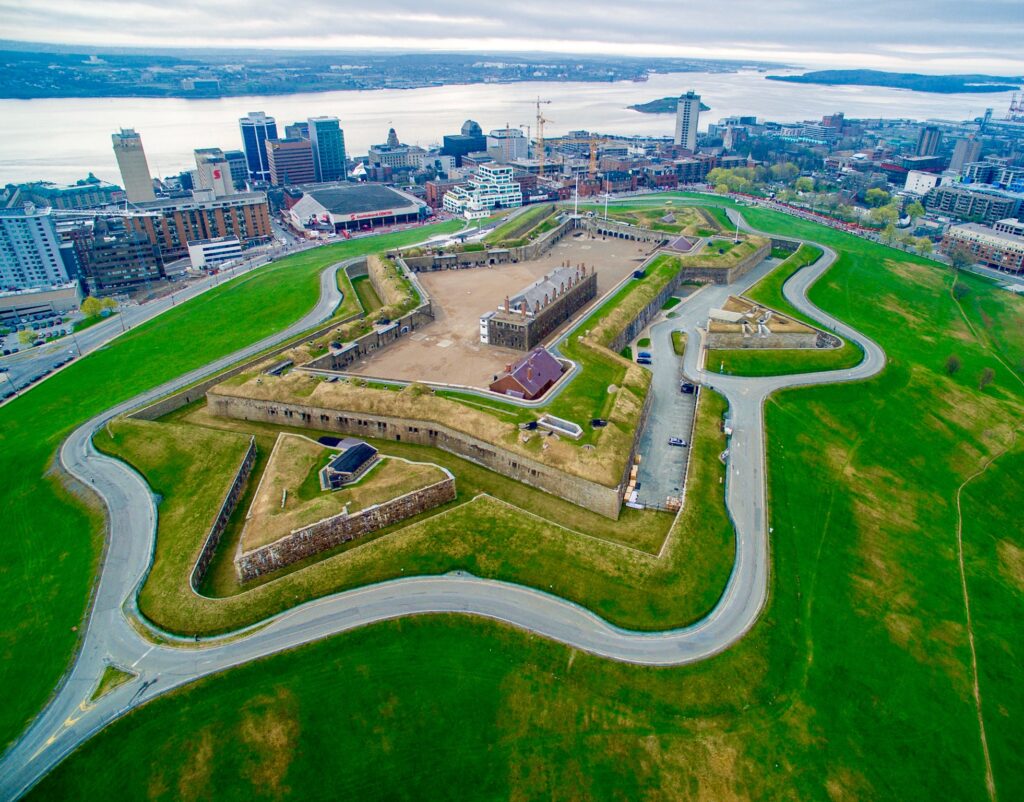
First Citadel (1749-1761): the beginning of fortification history
The first Halifax Citadel was built shortly after the city was founded in 1749. on September 11, 1749, British troops completed the first fortification on top of the hill overlooking the new settlement. This initial fortress was a relatively simple structure built primarily of wood, due to the urgent need for a defensive post and limited resources.
The first citadel served several important functions. First, it served as an observation post that provided an excellent view of the harbor and surrounding area, allowing early detection of potential enemies. Secondly, it provided a place to place a garrison ready to defend the new city against attacks. Third, the very presence of a fortified point on the hill had psychological significance, demonstrating the British determination to defend their new possessions.
However, the first Halifax citadel had serious shortcomings. Its wooden structures quickly deteriorated under the influence of the harsh seaside climate with its frequent fog, rain, and cold winters. In addition, as the French threat in the region grew, it became apparent that a stronger fortification was needed to effectively defend the city. By 1761, the first citadel had fallen into disrepair and the decision was made to build a new fort.
Second citadel (1761-1776): expansion and fortification
The plans for the second Halifax Citadel were larger than the previous ones and involved significant alterations to the landscape of the hill. It was intended to cut off the top of the hill by about 40 feet to create a wider area for the new fort. However, the implementation of these plans faced a number of difficulties.
The main problem was a shortage of labor. Relatively few troops were stationed in Halifax at the time to work on the construction. Although about 1,000 soldiers from Massachusetts arrived in the summer of 1761 to assist in the work, only slight progress was made by the end of the summer. Plans to continue construction the following summer were delayed by a French attack on St. John’s in Newfoundland, forcing the British to concentrate on fortifying the harbor at Georges Island and the coastlines of Halifax and Dartmouth in anticipation of a possible attack.
It was not until the outbreak of the American Revolution in the 1770s that attention was again turned to Halifax’s land defenses and citadel. Many of Halifax’s residents were from New England and sympathized with the Revolution, raising fears of possible attack by the Americans. Under the leadership of Captain William Spry, British troops built a new fort using an expanded version of the 1761 plans. The main feature of the new citadel was a large octagonal tower that served as a barracks for 100 soldiers.
Like its predecessor, the second citadel was never attacked by the enemy. By 1784, it too had fallen into disrepair due to neglected maintenance and exposure to the Nova Scotian climate. It took renewed hostility between British and French forces to lay the groundwork for a third fort atop Citadel Hill.
The Third Citadel (1794-1828): Fort George and the influence of Prince Edward
When Prince Edward, Duke of Kent (father of the future Queen Victoria), arrived in Halifax in 1794 as commander-in-chief of British forces in Nova Scotia, Britain and France were once again at war. Although the fighting was taking place across the ocean, there was a real threat that the French might attack this strategic British naval base. However, Halifax’s defenses were in poor condition, so Edward began a campaign to strengthen them and build new fortifications. These efforts included the creation of a third Halifax citadel, named Fort George in honor of Edward’s father, King George III.
Although plans for the new Halifax Citadel were approved in 1795, shortages of men and materials meant that work did not actually begin until 1796. By this time, the old fort had been demolished and the hill cut 15 feet.
Construction of the new fort took four years. It was the first citadel located directly on top of the hill. It was similar in size and shape to the existing citadel, but smaller than its predecessor. Built mostly of earth and wood, it included only three main buildings within the walls: a barracks, a supply store, and a powder cellar.
Like the first and second citadels, this third fort never saw battle. It underwent various repairs over the years, including a partial rebuilding during the Anglo-American War of 1812, but by 1825 it had fallen into disrepair. As a result, the decision was made to build a fourth, more permanent fort.
The fourth citadel (1828-present): a star-shaped stone fortress
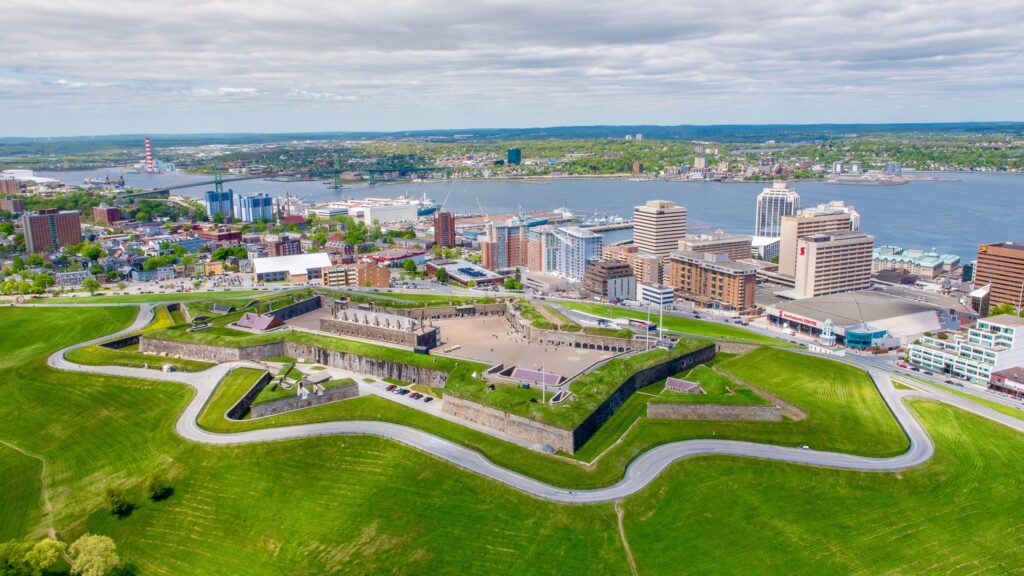
In the 1820s, tensions between Britain and the United States were very high. The British leadership believed that in the event of war, American forces might try to capture Halifax, possibly from land. Once again it was decided to strengthen the city’s defenses, but this time the approach was different. It was decided to build a permanent fort that could protect this vital naval base for generations to come. In August 1828, construction began on the fourth Halifax Citadel.
It was designed by Colonel Gustavus Nicholls of the Royal Engineers. The new star-shaped stone fortress was to be completed in just six years. However, flaws in the design caused delays in construction, and Halifax Citadel was not completed until 1856. Like the citadels before it, this new fort was never attacked, and advances in armaments soon made it militarily obsolete.
The Fourth Halifax Citadel is a classic example of nineteenth-century British military architecture. Its star shape was typical of many forts of the time and provided the garrison with the ability to fire in all directions. From the deep defensive moat, soldiers could fire musketry from any corner of its sturdy walls, and large cannons were located on its ramparts. The citadel was built of local stone and has imposing walls up to 10 meters thick at the base.
The interior of the citadel was organized around a central parade ground, with barracks, officers’ quarters, storehouses and powder cellars located around the perimeter. The underground rooms, known as casemates, served to house soldiers and store supplies. They were designed to withstand bombardment and provide protection from enemy fire.
The new citadel was part of a larger system of fortifications known as the Halifax Defense Complex, which included several forts and batteries located around the harbor. Together, these fortifications created a layered defense system capable of repelling attacks from both sea and land.
Halifax’s defense complex: layered defenses
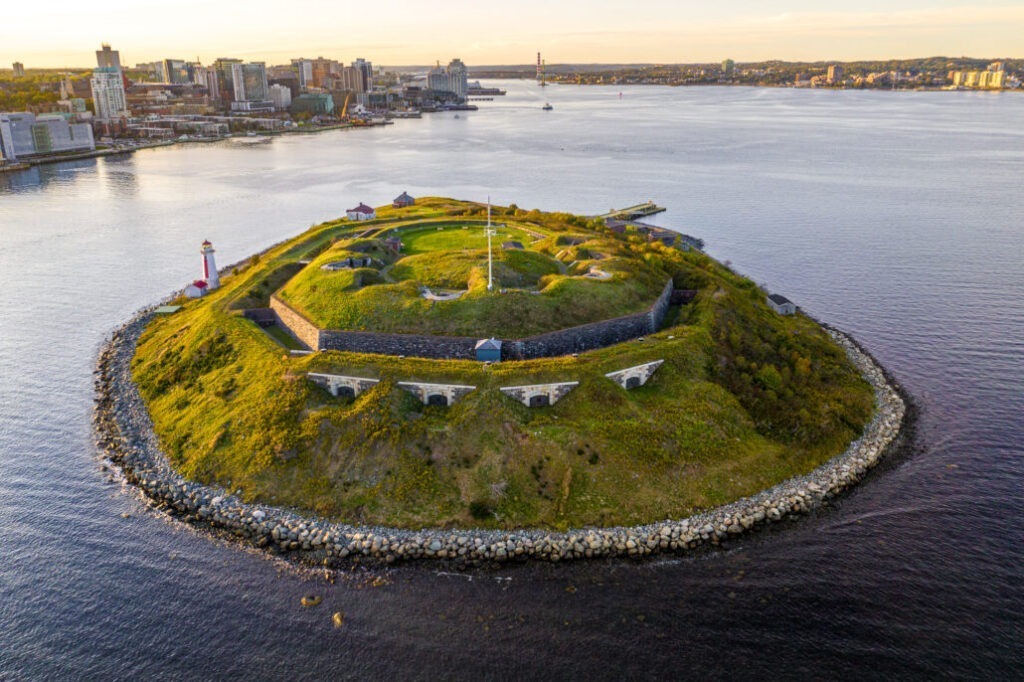
Five key fortifications
The Halifax Citadel was only one element, albeit the best known, of the extensive defense system the British created to protect Halifax and its strategically important harbor. This system, known as the Halifax Defense Complex, included five key fortifications built by the British and Canadian militaries over a period of more than 200 years. Together, they represent the most prominent examples of the many fortifications in the Halifax area.
- Halifax Cit adel – This imposing stone fort is the fourth to occupy Citadel Hill and is the main site in the Halifax Defense Complex. Completed in 1856, it remained an active military installation until the end of World War II.
- George’s Island – Once considered “the key to Halifax harbor,” this island has fortifications dating mostly from the second half of the 19th century. Fort Charlotte on Georges Island was built to protect the harbor from attacks from the sea and served as an important element in Halifax’s overall defense system.
- Fort McNab – Located on the southern tip of McNab’s Island, directly opposite the York Redoubt, this fort was used primarily during World Wars I and II. It was the first fort in Halifax to have artillery with breech-loading guns, greatly increasing its firepower and rate of fire.
- Prince of Wales Tower – Located in Point Pleasant Park, this tower was built in the 1790s and is the first Martello-type tower in Canada and one of the earliest Martello towers in the British Empire. Halifax had five such towers, including one on Georges Island. Martello towers were small round forts designed to protect coastal areas from attacks from the sea.
- York Redoubt – Originally built in the 1790s on a high cliff overlooking the harbor entrance, this expansive fort served until the end of World War II. The York Redoubt was modernized in the late 19th and early 20th centuries to accommodate more powerful artillery pieces and played an important role in defending the approaches to Halifax Harbour.
These five sites together created a comprehensive defense system capable of protecting Halifax from a variety of threats. Each was designed to perform specific defensive functions and together they provided a layered defense of this strategically important port.
A layered defense strategy
The Halifax defense complex was designed according to the principle of layered defense, where each element of the system had its own role in the overall defense strategy. This approach allowed for the effective countering of different types of threats and provided a defense in depth, making it difficult for the enemy to break through to the city and port.
The first line of defense consisted of forts located at the entrance to the harbor, such as the York Redoubt and Fort McNab. These forts were equipped with heavy artillery pieces capable of firing on enemy ships attempting to enter the harbor. Their strategic location allowed them to control the approaches to the harbor and, if necessary, block enemy ships from entering.
The second line of defense consisted of fortifications located inside the harbor, such as the fort on Georges Island. The island was located in the center of the harbor and its artillery could fire at almost any point on the harbor’s water surface. This location made it a key element in the harbor’s defense against naval attack.
Martello’s towers, including the Prince of Wales Tower, formed an additional element of defense, protecting the shoreline from possible landings and providing surveillance of the surrounding water area. These small but powerful fortifications could fire in a circular pattern and required a minimal garrison to operate effectively.
Finally, Halifax Citadel constituted the last but perhaps most important line of defense. Located on a high hill above the city, it served not only as a defense against land attacks, but also as the command center of the entire defensive system. From its height, it offered an excellent view of the city, the harbor, and the surrounding countryside, allowing for effective coordination of all defense elements in the event of an attack.
This layered defense system made Halifax one of the most defensible ports in the British Empire and provided a secure base of operations for the British fleet in the North Atlantic. Although Halifax was never directly attacked, the very existence of these powerful fortifications probably served as a deterrent to potential adversaries.
Evolution of military technology and adaptation of forts
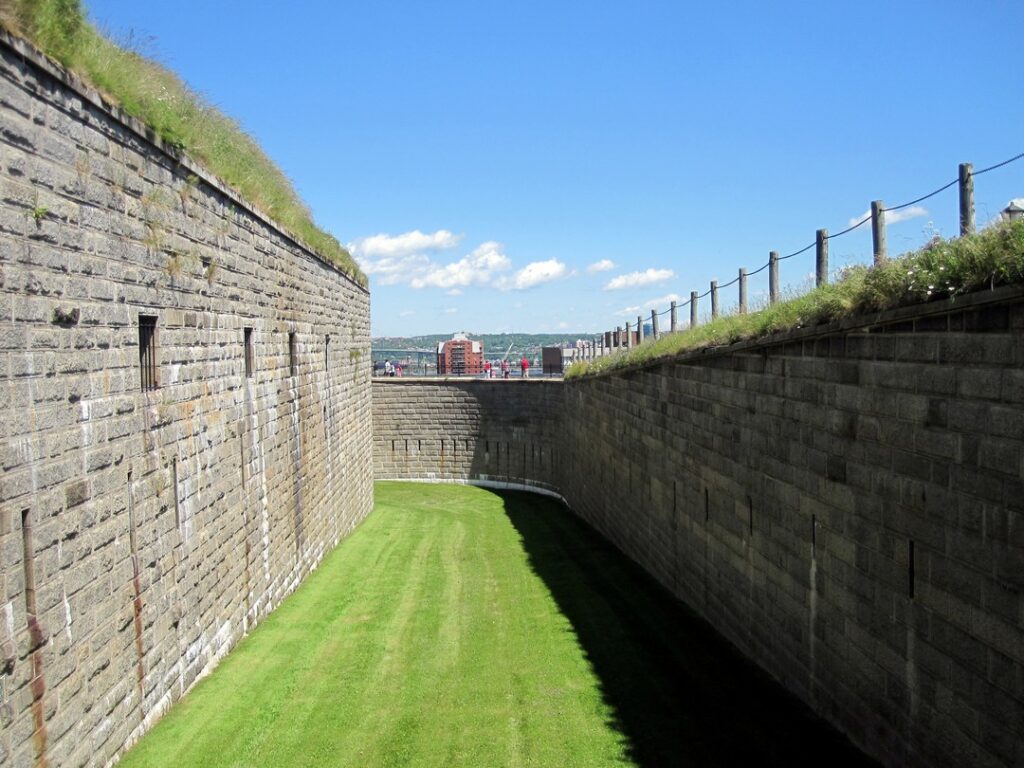
For nearly two centuries, Halifax’s defense complex has continually evolved, adapting to changes in military technology and strategy. Each generation of fortifications reflected then-current ideas about military architecture and accommodated advances in weaponry.
The first forts on Citadel Hill, built in the mid-eighteenth century, were relatively simple structures based on the principles of European fortifications of the time. They were designed to withstand musketry, light field guns, and primitive siege techniques.
With the development of artillery in the late 18th and early 19th centuries, the approaches to fortification also changed. The third citadel, built under Prince Edward, included elements specifically designed to counter the more powerful artillery of the time. This period also saw the construction of the Martello Towers around the harbor, which were an innovative response to the growing naval threat.
The fourth and current Halifax Citadel, built between 1828 and 1856, reflects the peak of British military architecture before the era of rifled artillery. Its star-shaped structure, massive earth ramparts covered with stone, and deep ditches were designed to maximize resistance to artillery fire of the era. The fortress was equipped with numerous smoothbore cannons capable of firing at both land targets and ships in the harbor.
However, the rapid development of artillery in the second half of the 19th century, especially the advent of rifled guns with increased range, higher accuracy and destructive power, quickly made the traditional stone forts vulnerable. By the time the fourth citadel was completed in 1856, it was beginning to become militarily obsolete.
In response to these changes, the forts of the Halifax defense complex were modernized in the second half of the nineteenth century. The old smoothbore guns were replaced by modern rifled guns. New concrete fortifications were built to withstand the impact of more powerful shells. Fort McNab was the first fort in Halifax to be equipped with breech-loading artillery, which greatly increased the rate of fire and effectiveness.
By the early 20th century, with the advent of modern battleships, submarines, and aircraft, traditional coastal fortifications became even less effective. Nevertheless, the forts of the Halifax defense complex continued to adapt. During World Wars I and II, they were integrated into a broader defense system that included minesweeping, anti-submarine networks, searchlights, and, in the case of World War II, radar and anti-aircraft artillery.
Thus, the evolution of the Halifax defense complex reflects the general history of military technology and fortification from the mid-eighteenth to the mid-twentieth century, demonstrating a constant effort to adapt to changing threats and technologies.
The architectural features of the Halifax Citadel are
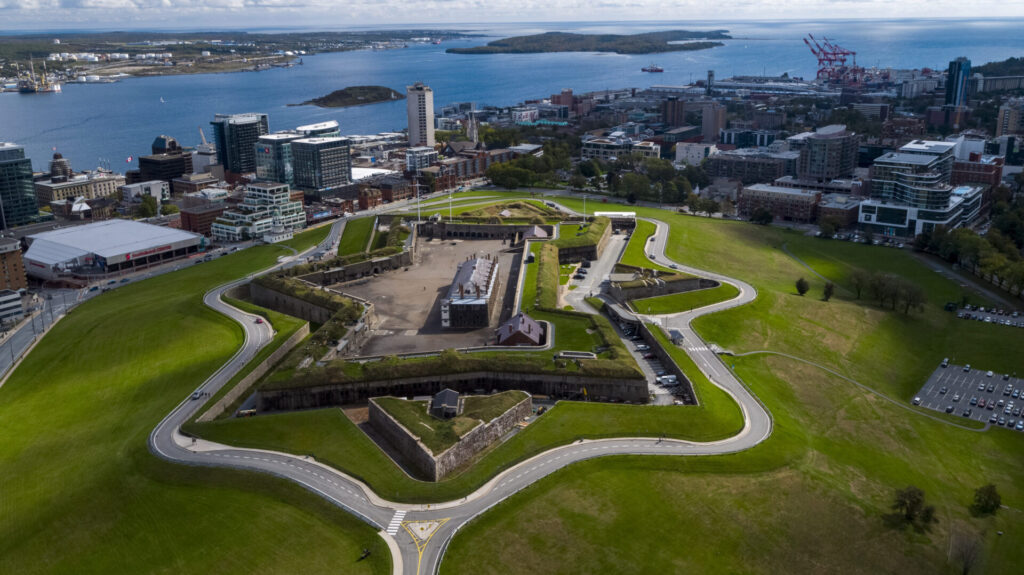
The star-shaped form and its military significance
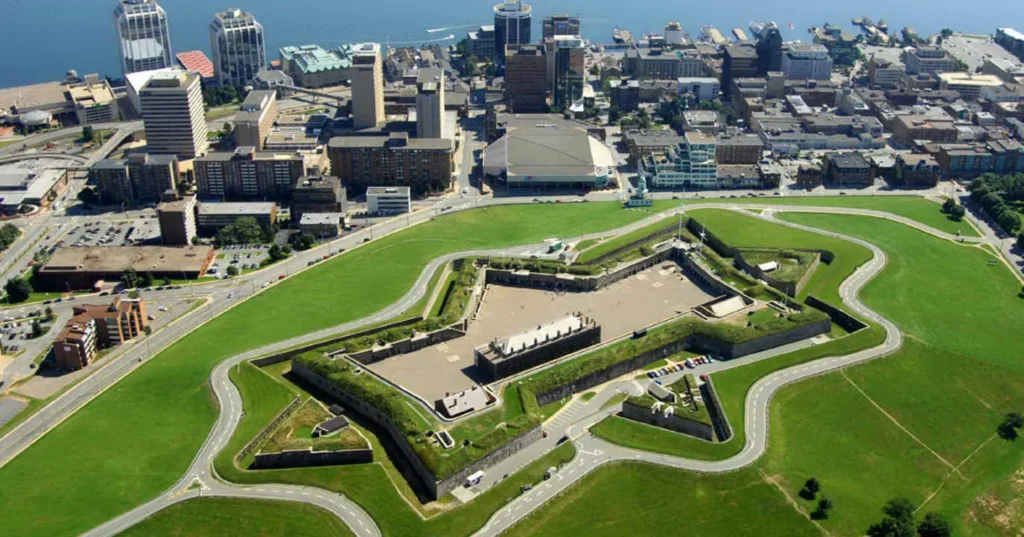
One of the most distinctive features of the fourth Halifax Citadel is its star shape, which not only makes it visually impressive, but also has profound military significance. This shape, known as the bastion system of fortification, was developed by Italian military engineers during the Renaissance and became widespread in sixteenth- and nineteenth-century European military architecture.
The star-shaped design solved one of the main problems of round and square forts – the presence of “dead zones” where the defenders could not fire effectively at the enemy. In traditional forts with straight walls, attackers could approach the base of the wall and be relatively safe from the fire of the defenders above. The star shape with its projecting bastions eliminated these blind spots, allowing defenders to crossfire along the entire perimeter of the fort.
Each bastion of the Halifax Citadel is a triangular protrusion extending beyond the main line of the walls. These bastions were positioned to maximize visibility and fire in all directions. From them the defenders could shoot not only the space in front of their bastion, but also the approaches to neighboring sections of the wall. This design created overlapping zones of fire, making it much more difficult for the attacking forces to advance.
An important element of the bastion system were also ravelins – triangular fortifications located in front of the main walls in the gaps between the bastions. They provided additional protection for the most vulnerable parts of the fortress – curtain walls (straight sections of the wall between the bastions) – and served as forward positions for defense.
The deep moat surrounding the citadel served as another barrier to attackers and forced them to traverse the open space under fire from the defenders. The escarpment (the inner wall of the moat) and the counterscarpment (the outer wall of the moat) were designed to make it as difficult as possible for the enemy to penetrate the fortress.
The star shape of the Halifax Citadel is not just an architectural element, but an important military innovation that ensured maximum defense effectiveness in an era before the advent of high powered rifled artillery.
Casemates and underground structures
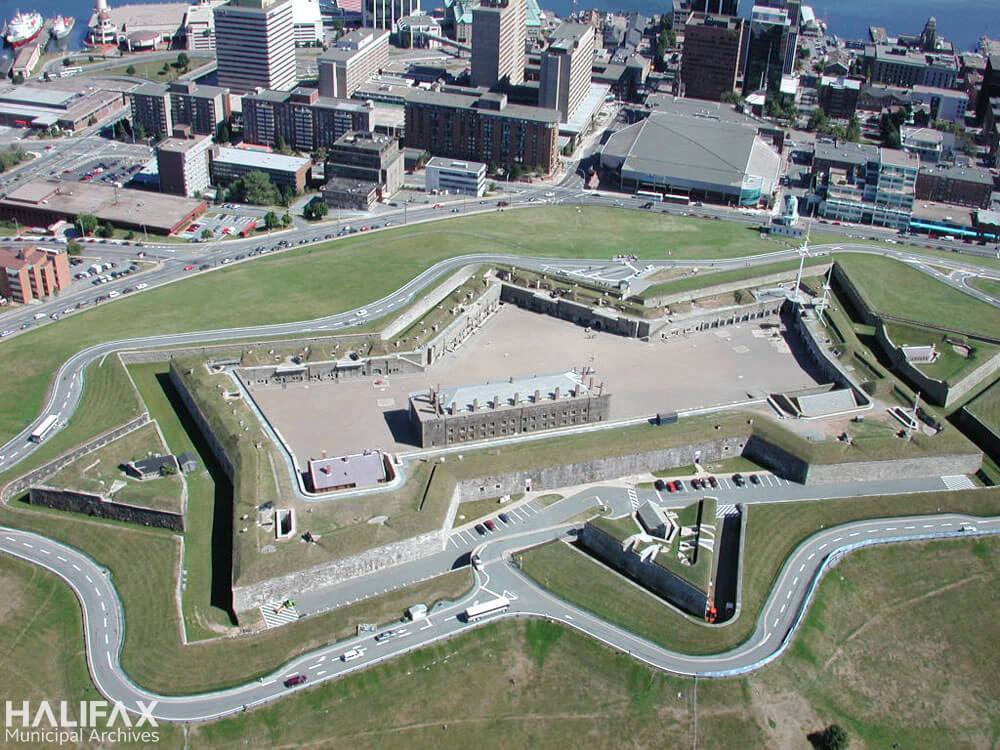
The most important element of the internal structure of the Halifax Citadel are its casemates, special vaulted rooms built into the thickness of the walls and ramparts of the fortress. These sturdy structures were designed to withstand intense artillery fire and to provide a protected space for the garrison during a siege.
The casemates of the Halifax Citadel served many functions. Some served as barracks to house soldiers, others were used as arsenals to store weapons and ammunition, and still others were used to store provisions and other supplies needed for a long defense. There were also casemates specially equipped to house artillery pieces that could fire through embrasures in the walls.
The design of the casemates was an example of the advanced military engineering of the time. Their vaulted ceilings of thick masonry were specially designed to distribute the force of an exploding shell hitting the roof. A layer of earth was placed on top of the stone vaults to provide additional protection and cushioning when artillery shells hit.
The internal layout of the casemates was designed to accommodate all aspects of the garrison’s daily life. In the living casemates there were rooms for accommodation of soldiers, places for cooking and eating, and storage of personal belongings. Some casemates housed specialized workshops where weapons and equipment could be repaired.
Special attention was paid to the protection of gunpowder cellars – special casemates for storing gunpowder and explosives. These rooms were isolated from the rest of the fortress as much as possible, had special ventilation systems to prevent the accumulation of explosive dust and were equipped with special precautions against accidental sparks.
Underground passages connected the various parts of the citadel, allowing the defenders to move quickly from one sector to another without being exposed to enemy fire. This system of communications was vital for coordinating defenses and responding quickly to enemy breakthroughs.
The citadel’s water supply system included special cisterns for collecting and storing rainwater, as well as wells. Providing the garrison with clean drinking water was a critical aspect of preparing the fortress for a possible prolonged siege.
The casemates and underground structures of the Halifax Citadel are not only an outstanding example of nineteenth-century military architecture, but also a strong indication of how seriously the British authorities took the defense of this strategic port.
Defenses and artillery positions
The Halifax Citadel was designed as a self-contained defensive complex capable of withstanding a prolonged siege. Its defenses consisted of many interconnected elements, each of which had its own function in the overall defense system.
The outer defensive contour of the fort consisted of a deep moat surrounding the citadel along its entire perimeter. This moat was about 9 meters deep and up to 15 meters wide. Its walls were lined with stone, which prevented their destruction and hindered the enemy’s attempts to fill the moat or overcome it with the help of assault ladders. At the bottom of the moat was a covered pathway, protected from enemy fire, along which soldiers could move quickly between different sectors of the defense.
The glacis, a gentle earthen slope descending from the edge of the counterscarp (outer wall of the moat), was an important element of the outer defenses. This slope was designed to open the attackers as much as possible to fire from the ramparts of the citadel and to deny them cover. The glacis was cleared of any vegetation or other obstacles that might provide cover for an approaching enemy.
The ramparts, a massive earthen fortification covered with stone, formed the main defensive element of the citadel. On its top was a parapet, a protective wall behind which the fort’s defenders could hide. On the inner side of the parapet there was a combat passage – a wide platform on which artillery guns were placed and soldiers moved.
Artillery positions were equipped to accommodate different types of guns, from light field guns to heavy fort guns. The guns were placed on wooden platforms that allowed them to compensate for recoil when fired and made aiming easier. To protect artillerymen from enemy fire, embrasures – special openings in the parapet through which the guns fired – were arranged. The shape of the embrasures was carefully thought out to provide maximum sector of fire with minimum vulnerability of the calculation.
To protect the entrance to the citadel was built ravelin – an external fortification of triangular shape, covering the gate from direct fire and assault. The entrance to the ravelin was protected by a lift bridge over the moat, which could be raised in case of danger, making the fortress practically impregnable.
Inside the citadel there were numerous artillery positions, allowing to fire both on the approaching enemy and on the city in case of its capture by the enemy. In total, the citadel could house up to 78 guns of various calibers, making its firepower truly impressive for its time.
The role of British forts in the defense of Canada
The strategic importance of fortifications in colonial policy
British forts, including Halifax Citadel, played a key role in British colonial policy in North America. These fortifications were more than just military installations-they were the physical embodiment of British power on the continent and served as tools in the complex geopolitical game of European powers for control of the New World.
In the 18th century, the main rivalry in North America unfolded between Great Britain and France. Both powers sought to expand their colonial possessions and control over key trade routes. In this context, forts served not only as defensive structures, but also as strongholds for projecting military power and expanding territorial possessions.
The founding of Halifax in 1749 and the construction of the first citadel was a direct response to the return of Louisbourg, a powerful French fortress on Cape Breton Island, to French control under the terms of the Aachen Peace Treaty of 1748. The British realized that they needed their own strong stronghold in the region to counter French influence.
After the conquest of New France as a result of the Seven Years’ War (1756-1763) and the transfer of these territories to British control, the role of the forts changed. They now served not so much to defend against other European powers as to control vast territories with small European populations and numerous indigenous peoples. The forts became centers of British administration and important trading posts around which new settlements were gradually formed.
In the late 18th and early 19th centuries, after the American Revolution and the formation of the United States, British forts in Canada acquired a new strategic importance. They now served not only as a defense against possible American aggression, but also as a symbol of the continued British presence in North America. The War of 1812, when American forces attempted to seize the British colonies in Canada, confirmed the key importance of these fortifications to the defense of the region.
Halifax Citadel and other forts in Atlantic Canada were particularly important because they protected vital sea lanes between Britain and its remaining North American colonies. Halifax, with its ice-free harbor, became the main British naval base in the region and a key element in securing trade routes across the Atlantic.
As the British Empire developed in the nineteenth century and the nature of threats changed, the role of forts continued to evolve. Although the direct threat from other European powers diminished, the importance of protecting trade routes and demonstrating military might remained high. By the mid-nineteenth century, Halifax had become one of the four major overseas naval bases of the British Empire, along with Gibraltar, Malta, and Bermuda, emphasizing its exceptional strategic importance.
British forts as centers of colonization and development
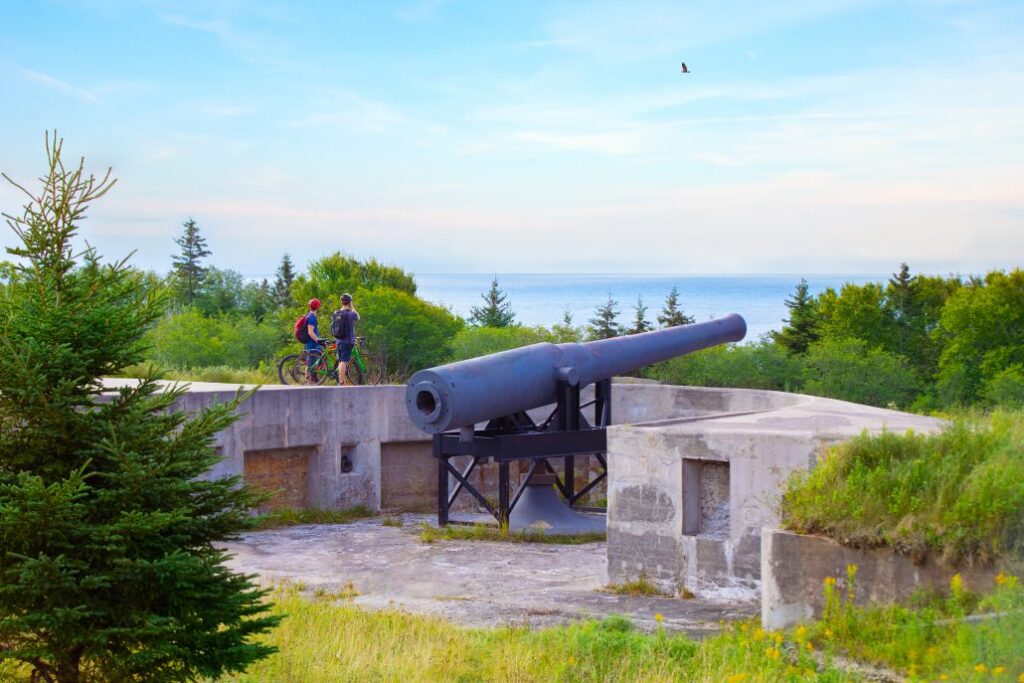
British forts in Canada served not only as military installations, but also as centers of colonization and development for the surrounding territories. They became nuclei around which new settlements were formed, trade developed, and infrastructure was built.
The history of Halifax clearly illustrates this trend. The city was founded at the same time as the construction of the first citadel began in 1749. The original settlement was planned and built at the foot of the hill on which the citadel was located. The presence of a significant military garrison created a demand for a variety of goods and services, stimulating the local economy. Merchants, artisans, taverns, and inns sprang up to serve the needs of the military and the growing civilian population.
The naval shipyard, established in Halifax to serve the British fleet, became a major employer and attracted many skilled workers, including shipbuilders, blacksmiths, carpenters, and others. This helped to grow the city’s population and diversify its economy.
Forts also became centers of administration and government. In Halifax, the citadel was not only a military facility, but also the seat of colonial administration. Here councils met and important decisions were made concerning the administration of the colony. In 1758 Halifax became the capital of Nova Scotia when the colony was granted representative government.
An important function of the forts was to provide the security necessary for trade and economic development. The protection provided by the Halifax Citadel and other harbor fortifications made the port a safe place for merchant ships, which facilitated international trade. Halifax became an important center for transit trade between Europe, the West Indies, and the interior of North America.
The forts also served as points of contact between Europeans and indigenous peoples. They became venues for negotiations, treaties, and trade deals. In some cases, forts acted as buffers delimiting the territories of European settlers and indigenous peoples, although this role was often controversial and conflictual.
The cultural influence of British forts was also significant. They helped spread British traditions, laws, and social institutions. Many officers who served at Halifax Citadel and other forts belonged to the British elite and brought elements of British culture into colonial society. This influence is still evident today in Canada’s architecture, education, and legal system.
With the transition to confederation in 1867 and the gradual formation of the Canadian nation, the former British forts became important symbols of the historical connection between Canada and Great Britain. They were reminders of the British colonial legacy that, despite Canada’s independence, continued to influence its institutions and culture.
Wars and conflicts: testing defensive capabilities
A surprising fact about the history of Halifax Citadel and most British forts in Canada is that they were never directly attacked by the enemy. Despite the considerable effort and resources invested in their construction and maintenance, these powerful defenses have never been tested in battle for their intended purpose. Nevertheless, the very fact of their existence played an important deterrent role and influenced the strategic decisions of potential adversaries.
During the Franco-British rivalry in North America, the presence of strong fortifications at Halifax served as a deterrent to French attacks on British possessions in the region. The French realized that an attempt to capture the well-fortified port would have required considerable resources and would likely have ended in failure.
During the American Revolution (1775-1783), Halifax remained a reliable stronghold of the British presence in North America and a base for military operations against American rebels. While many other British possessions came under the control of the revolutionaries, Halifax, with its strong fortifications, remained inaccessible to them, providing a safe harbor for the British navy and loyalists fleeing the rebellious colonies.
The War of 1812 between the United States and Great Britain was the first major test of the defenses of British North America since U.S. independence. Although the main hostilities took place in the Great Lakes region and along the border with present-day Ontario, Halifax played an important role as the main British naval base in the region. Ships were dispatched from here to blockade the American coast and conduct raids against American ports. Having an impregnable base at Halifax significantly limited the strategic options of the Americans and forced them to keep a significant force to defend their coast.
In the second half of the 19th century, as relations between Britain and the United States gradually normalized, the focus shifted to maintaining a global British naval presence. Halifax became one of the key bases supporting this presence in the North Atlantic. Although there was little direct threat of attack, the maintenance of strong fortifications at Halifax remained an important element of British strategy to protect sea lanes and demonstrate military power.
The real test of Halifax’s strategic importance occurred during the two World Wars. Although the Halifax Citadel itself was by then obsolete as a defensive structure, the city and its port played a critical role in both wars. In World War I, Halifax served as the main assembly and embarkation point for Canadian troops to the European theater of operations, as well as a base for convoys bringing vital supplies to Great Britain.
During World War II, the Halifax Citadel served as headquarters for the city’s air defenses, and the Halifax defense complex was integrated into a broader system of coastal defenses against possible German attacks. Although there was no direct attack on the city, German submarines were active in Atlantic waters off the coast of Nova Scotia, underscoring the continued strategic importance of Halifax and the need to defend it.
Thus, although British forts in Canada, including Halifax Citadel, were never tested in direct battle, their military importance and deterrent potential played a significant role in securing Canada and protecting British and later Canadian interests in the region.
Halifax Citadel in the World Wars
World War I: internment and the defense complex
Although by the early 20th century the Halifax Citadel had lost its importance as a major defensive structure against direct military attack, it continued to play an important role in the city’s military infrastructure. With the outbreak of World War I in 1914, the Citadel’s function changed and it was integrated into a new system of defense and support for the war effort.
In 1906, eight years before the outbreak of war, the British forces formally transferred the Halifax Citadel to the control of the Canadian Department of Militia and Defense. This was part of a broader process of transferring responsibility for Canada’s defense from Britain to the Canadian government. When World War I broke out, the Citadel was already under full Canadian control.
During the war, Halifax Citadel served several important functions. Its extensive casemates and barracks were used to house troops passing through Halifax on their way to Europe. For many Canadian soldiers, the citadel was the last place on Canadian soil before being sent to the front and the first place when returning home.
One of the Citadel’s most notable functions during World War I was its use as an internment camp. After the outbreak of war, about a thousand German and Austro-Hungarian citizens living in Canada were arrested as “enemy aliens” and placed in internment camps. The Halifax Citadel was one of 24 such camps established across Canada.
The Citadel held not only civilians of German and Austro-Hungarian descent, but also prisoners of war captured by Canadian and British forces, as well as suspicious aliens brought to port by the navy. Among the internees were crew members of merchant ships, representatives of foreign consulates, and ordinary citizens who aroused the suspicions of the authorities.
Conditions in the citadel were harsh. Internees were housed in casemates that were not designed to accommodate large numbers of people for long periods of time. The rooms were cold and damp in winter and stuffy in summer. Prisoners were subjected to strict discipline and were required to perform various chores, including keeping the camp clean and construction work.
In addition to its function as an internment camp, the citadel also served as a focal point for coordinating the defense of Halifax Harbor. Although the bulk of the coastal fortifications had by then been modernized and located elsewhere in the Halifax defense complex (Fort McNab, York Redoubt, etc.), the citadel, with its strategic location on a high hill in the center of town, remained an important observation post and communications center.
A tragic event that demonstrated Halifax’s strategic importance during World War I was the so-called Halifax Explosion on December 6, 1917. The French cargo ship Mont Blanc, loaded with explosives for military use, collided with the Norwegian ship Imo in the harbor. The ensuing explosion was the largest man-made non-nuclear explosion in human history, destroying much of the city and killing about 2,000 people. The incident underscored the dangers associated with Halifax’s use as a major transit point for military cargo bound for Europe.
Despite this disaster, Halifax’s strategic importance as a port and naval base continued to grow throughout the war. By its end in 1918, hundreds of thousands of soldiers and millions of tons of military cargo had passed through the port, underscoring the city’s vital role in the war effort of Canada and its allies.
World War II: a new role for the old fort
During World War II (1939-1945), the Halifax Citadel was called back into service, albeit in a role significantly different from its original purpose. By this time it was completely obsolete in terms of fortification, but due to its strategic location on top of a hill in the center of the city, it continued to play an important role in the defense system.
With the outbreak of war, Halifax quickly became a key port for the formation of convoys traveling across the Atlantic Ocean to Britain and other European countries. The city became a critical base for naval operations in the North Atlantic, including the defense of convoys against German submarines. In this context, the Halifax Citadel found a new use.
One of the Citadel’s primary functions during World War II was its use as the city’s air defense headquarters. Although Halifax was never subjected to air raids, the threat of such an attack was taken very seriously, especially after the fall of France in 1940 and the outbreak of the Battle of Britain. From the top of the citadel there was an excellent view of the harbor and the airspace above the city, making it an ideal location for air defense observation posts. Searchlights and early detection systems were installed here, and anti-aircraft gun crews were stationed here, ready to defend the city against possible air attacks.
The citadel was also used as a transit camp for troops passing through Halifax on their way to Europe. Spacious casemates and barracks provided temporary housing for soldiers waiting to be sent to the front. For many Canadian soldiers, sailors and airmen, the citadel was the last place on Canadian soil they saw before going to war and the first they saw when returning home.
A feature of the citadel’s use during the Second World War was to house the depot of the Canadian Women’s Army Corps (CWAC). This unit, formed in 1941, consisted of women volunteers who performed various support functions, freeing up men for combat roles. CWAC women served as clerks, mechanics, drivers, communications officers, radar operators, and performed a variety of other tasks critical to the war effort.
The Citadel also housed various administrative and logistical services that supported port operations and convoy coordination. It housed military police offices, intelligence services, communications centers, and other support units necessary for Halifax to function as a critical naval port.
Although the citadel itself no longer played a direct role in defending the harbor against naval attack, other elements of the Halifax defense complex were heavily involved in this function. Forts McNab and York Redoubt, modernized before the war, were equipped with modern artillery, searchlights, and detection systems. They were part of a complex coastal defense system of anti-submarine nets, minefields, and patrol ships that protected the harbor from German submarine penetration.
World War II confirmed Halifax’s strategic importance as one of the Western Allies’ most important ports. Millions of tons of military cargo, thousands of ships and hundreds of thousands of troops passed through it. The Battle of the Atlantic, a long campaign to protect the sea supply routes between North America and Great Britain, was largely fought from Halifax and using its infrastructure.
An important but often forgotten aspect of Halifax’s history during World War II is the riots known as the Halifax VE-Day Riots. on May 7-8, 1945, following the official announcement of Germany’s surrender, mass celebrations began in Halifax and quickly escalated into riots. Thousands of sailors, soldiers, and civilians under the influence of alcohol vandalized liquor stores and warehouses. These events were a grim finale to the city’s role in World War II and a reflection of the tensions that had built up over the years of the war.
After the end of World War II, the military importance of the Halifax Citadel continued to decline. The development of aviation, missile technology, and other modern weapons made the traditional fortifications completely obsolete. Nevertheless, Halifax retained its importance as an important port and naval base, and the Citadel remained a symbol of the city’s military history and strategic significance.
Heritage and contemporary significance
National Historic Landmark

In 1956, half a century after British troops left Halifax Citadel, it was declared a National Historic Site of Canada. This decision marked the beginning of a new era in the history of this outstanding fortification – an era of preserving and interpreting its rich historical legacy for future generations.
Following its designation as a National Historic Site, a major restoration program was initiated to restore the citadel to its mid-nineteenth century appearance, when the fort was at the height of its military power. The work was led by Parks Canada, the federal agency responsible for managing the country’s national parks and historic sites.
The restoration included rebuilding destroyed or damaged elements of the fort, such as ramparts, casemates, roofs and interior structures. Special attention was paid to historical accuracy – all work was based on careful research of original plans, photographs and other documents. The restoration utilized traditional materials and construction methods similar to those used in the original construction of the citadel.
In addition to restoring the physical structures, a tremendous amount of work was done to collect and preserve artifacts related to the history of the citadel. This included weapons, uniforms, soldiers’ and officers’ everyday objects, documents, and other historical materials. Many of these items later became part of museum displays inside the citadel.
Today, the Halifax Citadel is one of Canada’s most visited national historic sites. Each year, it is visited by hundreds of thousands of tourists from around the world who want to learn more about Canada’s military history and the role of British forts in the defense of Canadian territories.
A wide range of educational and interactive programs are offered to visitors to the Citadel. These programs include guided tours, demonstrations of historical crafts and military skills, educational seminars for school and college students, and special events commemorating significant historical dates.
Especially popular are daily ceremonies such as the changing of the guard and the noon cannon firing, a tradition that began in 1857 and continues today. During the summer months, visitors can see re-enactors in the historic uniforms of the 78th Highland Regiment (Ross-shire Buffs) of Scotland and the 3rd Brigade of the Royal Artillery, who demonstrate various aspects of mid-19th century military life.
The Citadel is also home to the Army Museum, which features exhibits on the military history of Atlantic Canada from colonial times to the present. The museum pays special attention to the participation of Canadian troops in the First and Second World Wars.
National Historic Landmark status not only protects and preserves the Halifax Citadel for future generations, but also emphasizes its importance as a symbol of Canadian military history and the legacy of the British colonial period.
Cultural and educational significance
The Halifax Citadel has long ceased to be a military site, but its cultural and educational significance is only growing. Today, the Citadel serves as a living museum, a space for cultural exchange, and an important educational resource to help Canadians and visitors better understand Canada’s military history and its relationship to its British heritage.
One of the most important aspects of the Citadel’s contemporary role is its contribution to the preservation and transmission of historical memory. Through exhibits, guided tours and interactive programs, visitors learn about key events in Canadian history, the lives of soldiers in the 19th century, the development of military equipment and tactics, and the geopolitical context in which Canada was formed as a nation.
The educational programs offered at the Citadel cover a wide range of topics and are geared towards different age groups. For school children, special programs have been developed that are integrated into the school’s history and social studies curriculum. These programs include not only guided tours, but also hands-on activities during which children can feel connected to history through direct experience – try on elements of historical uniforms, taste the food of 19th century soldiers, learn basic formation commands or participate in archaeological excavations.
For university students and researchers, the Citadel provides opportunities for in-depth study of various aspects of military history, architecture, archaeology and social history. The archives associated with the Citadel and the Halifax Defense Complex contain a wealth of material for research and publication.
An important part of the Citadel’s educational mission is the use of modern technology to interpret historical material. Virtual reconstructions, interactive exhibits, audio guides, and mobile applications make the historical experience more accessible and engaging for modern audiences. For example, augmented reality technology allows visitors to see what the citadel and surrounding landscape looked like in different historical periods.
The Halifax Citadel also plays an important role in the cultural life of the city and the region. It serves as a venue for a variety of cultural events, including music concerts, theater productions, art exhibitions and festivals. Especially popular are events related to Scottish heritage, such as bagpipe festivals and traditional Celtic celebrations, reflecting the historic ties between Nova Scotia and Scotland.
The Citadel is an important symbol of identity for Halifax and Nova Scotia residents. Its silhouette atop a hill in the center of the city is one of Halifax’s most recognizable images on postcards, souvenirs and in the city’s official symbols. For many locals, the citadel represents the unbroken link between the past and present of their hometown.
The citadel also serves as a place to commemorate important national anniversaries and ceremonies related to military history and the memory of those who died in wars. Remembrance Day, celebrated on November 11 to commemorate the end of World War I, is particularly solemnized at the Citadel with the participation of veterans, active military personnel, and the general public.
Thus, the contemporary cultural and educational significance of the Halifax Citadel goes far beyond a mere historical monument. It is a living, dynamic space where history comes alive and becomes relevant to contemporary society, fostering a better understanding of the past and its impact on Canada’s present and future.
Tourism and economic impact
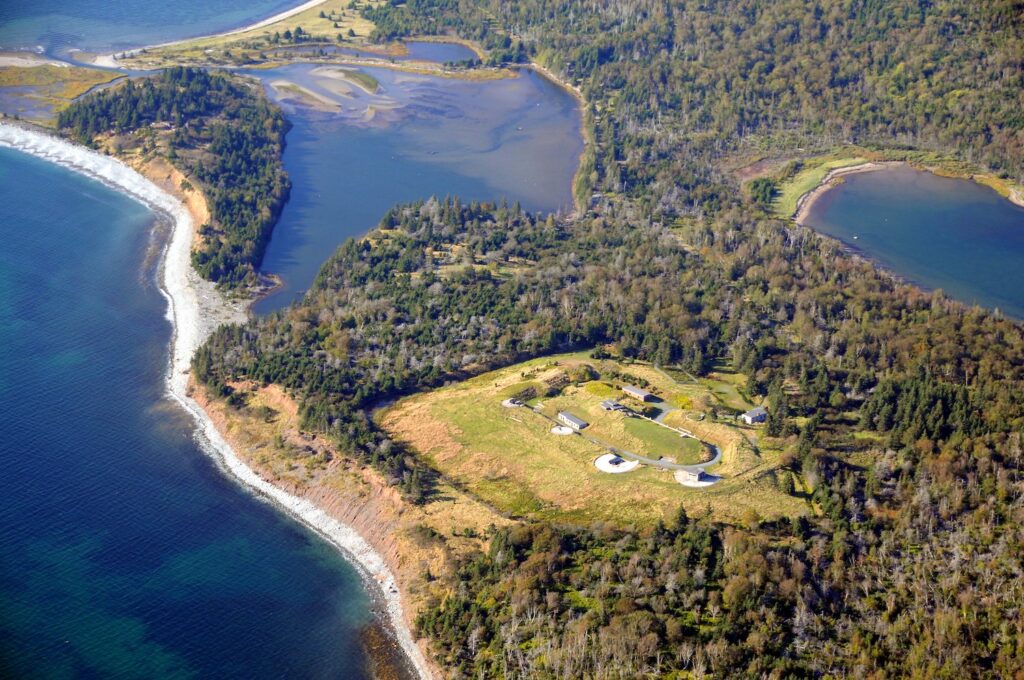
The Halifax Citadel is a major tourist attraction not only in Halifax, but throughout Atlantic Canada. Hundreds of thousands of tourists from around the world visit it every year, which has a significant impact on the economy of the city and the region.
The citadel’s tourist appeal is due to several factors. First of all, it is its outstanding historical and architectural value as one of the best preserved examples of 19th century British military architecture in North America. In addition, the Citadel’s hilltop location in the center of the city makes it easily accessible to tourists and provides visitors with magnificent views of the city, harbor, and surrounding area, further enhancing its appeal.
The economic impact of the citadel on the city and the region is multifaceted. Direct impacts include revenues from the sale of admission tickets, souvenirs, food and beverages on the Citadel grounds, as well as special events and educational programs. The Parks Canada Agency, which operates the Citadel, is the employer of a significant number of permanent and seasonal employees, including historical interpretation staff, maintenance staff, administrative staff, and many others.
However, the Citadel’s greater economic impact is manifested indirectly through its role in attracting tourists to Halifax. Visitors attracted to the citadel also stay in local hotels, dine in restaurants, use transportation services, visit other attractions, and store in local stores. Thus, the citadel stimulates the development of a wide range of tourism-related industries.
The Citadel’s role in attracting cruise tourists is particularly important. Halifax is a popular port of call for cruise ships traveling on itineraries along the east coast of North America and in the North Atlantic. For many passengers on these cruises, a visit to the Halifax Citadel is one of the highlights of the program during a short stop in the city. Hundreds of thousands of passengers pass through the Halifax cruise terminal each year, many of whom visit the Citadel, providing a significant influx of tourist spending into the local economy.
The Citadel also contributes to the development of event tourism in Halifax. Special events held on its grounds, such as historical reenactments, concerts, festivals and ceremonies, attract visitors during periods that might be less popular with tourists. This helps to smooth out seasonal fluctuations in the city’s tourism industry.
The citadel’s role in branding Halifax as a tourist destination is also significant. Images of the citadel are widely used in tourist advertising, guidebooks and other marketing products promoting Halifax and Nova Scotia as places rich in history and cultural heritage. This contributes to the city’s recognition in the international tourism market and increases its appeal to potential visitors.
The economic impact of the Halifax Citadel extends beyond the tourism industry. The preservation and restoration of a historic site of this magnitude requires the involvement of many professionals in architecture, construction, archaeology, museum studies and other fields. This creates jobs and promotes the development of professional skills in these industries.
Finally, having a well-preserved historic site of this significance enhances the quality of life in Halifax, making it a more attractive place to live. This can help attract skilled labor, new residents, and investment to the city, which has long-term positive effects on the local economy.
Conclusion
The story of the Halifax Citadel is not simply a chronicle of the construction and development of a single fortification. It is an account of how strategic vision, military skill and engineering thought intertwined in the complex geopolitical context of the colonial era and shaped not only the face of one city, but the historical destiny of an entire country.
The four generations of fortifications built on Citadel Hill since 1749 reflect the evolution of military architecture, changes in weapons technology, and the transformation of geopolitical realities. From a simple wooden garrison hastily erected to protect new settlers to a massive star-shaped stone fortress that became a symbol of British military power in the North Atlantic, each incarnation of the Citadel adapted to the requirements of its time.
The strategic importance of Halifax and its fortifications in the British colonial defense system cannot be overstated. For more than a century and a half, Halifax’s citadel and defense complex served as a key element in securing British control of the Atlantic Ocean and protecting the sea lanes between Europe and North America. They were not only military installations but also symbols of imperial presence and power, physical embodiments of Britain’s determination to protect its interests and possessions in the New World.
The role of British forts, including Halifax Citadel, in shaping Canadian national identity is also significant. They have become physical evidence of Canada’s complex colonial past and its gradual transition from colony to independent nation. Intertwined in the history of these fortifications are themes of conflict and cooperation, conquest and defense, imperial domination and national self-determination.
In the modern world, the Halifax Citadel continues to play an important role, albeit in a very different way than its creators envisioned. As a National Historic Landmark, tourist attraction, educational center, and cultural space, it contributes to the understanding and reinterpretation of history, the preservation of cultural heritage, and the economic development of the region.
As we watch tourists, school children and researchers today exploring the ramparts and casemates of the citadel, we see history come alive and become part of the modern experience. It reminds us that the past is not something static and complete – it continues to influence the present and shape the future.
The story of the Halifax Citadel and British forts in Canada remains relevant today, helping us to better understand how military strategies, architectural innovations, and geopolitical decisions of past eras have shaped the map of the modern world and continue to influence our perceptions of security, defense, and international relations. In this context, the Halifax Citadel stands not only as a monument to the past, but also as a bridge between eras, a reminder of the continuity of the historical process and the complex interconnections between national histories in our globalized world.
Author Information

I’m a journalist specializing in urban issues and city politics in the Vancouver region, which I’ve covered since 1994, and I also have a strong focus on the iGaming industry. In this endlessly changing city, I cover a broad range of issues: from drug policy, bike lanes, billion-dollar development projects, homelessness, and garbage debates, to the rapidly evolving world of online gaming, including regulatory landscapes, technological advancements, and market trends. I write frequently for the Globe and Mail’s B.C. section and Report on Business. From 2008 to 2015, I had a regular column in Vancouver magazine, “Urban Fix,” which apparently resonated with readers so much that it earned me a few regional and national awards.